Understanding the Economics of Local Festivals
Local festivals play a vital role in community engagement and economic growth. Understanding their economic impact can help communities make informed decisions about hosting and attending these events.
The Economic Significance of Local Festivals
Local festivals are more than just gatherings; they often serve as significant economic drivers within their communities. According to a study by the National Endowment for the Arts, local festivals can contribute upwards of $10 million annually to local economies in terms of direct spending.
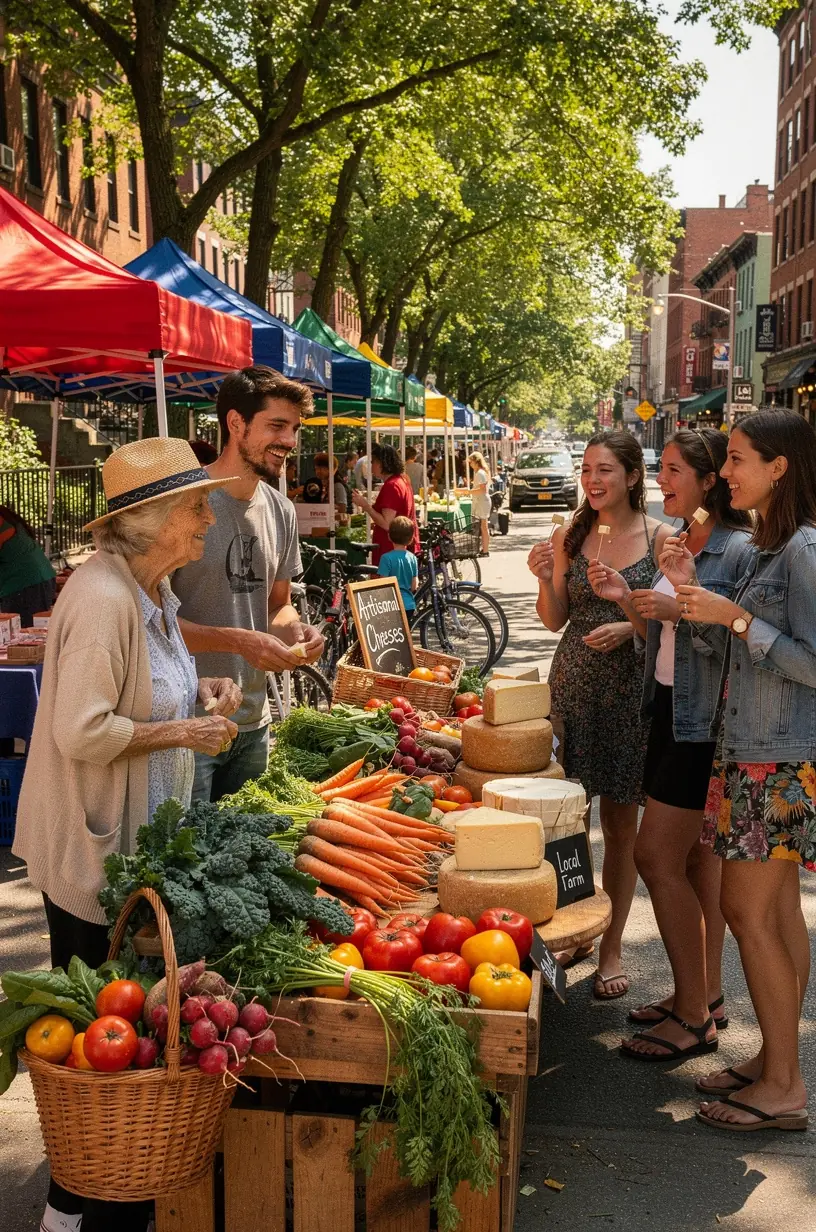
"Festival-goers typically spend on average $40 per person, which adds up quickly when thousands attend."
How Festivals Boost Local Economies
The economic impact of local festivals can be explained through various factors:
- Direct Spending: This includes expenditures on food, beverages, merchandise, and local services. Studies show that vendors can earn substantial income during these events, often reporting sales increases of 30-50%.
- Job Creation: Festivals can create temporary jobs, especially in hospitality and service sectors. According to the American Economic Association, local festivals often lead to the creation of up to 200 temporary jobs during peak seasons.
- Increased Tourism: Many visitors travel from outside the area for local festivals, bringing in new revenue streams. Research indicates that communities hosting annual festivals often see a 20% increase in tourism-related activities.
Understanding the Costs Involved
While the economic benefits of festivals are notable, they also come with costs that need to be managed effectively. Organizing a festival typically involves:
- Initial Investment: Planning a festival can require substantial financial resources, from permits to marketing costs, which can range from $5,000 to over $100,000, depending on the festival's scale.
- Time Commitment: Organizing an event of this nature may take several months, often requiring a team of volunteers and professionals.
- Risk Management: Festivals are not without risks, including weather-related cancellations or low attendance. Experts recommend having contingency plans, as many festivals experience fluctuating attendance that can impact revenue.
Conclusion
Local festivals are a dynamic component of community life, capable of driving economic growth and fostering social connections. Understanding the balance between the benefits and costs associated with these events can empower communities to make strategic decisions. By carefully managing resources and engaging local stakeholders, festivals can thrive and continue to contribute positively to local economies.