Exploring the Role of Volunteers in Events
Volunteers play a crucial role in the success of community events, impacting both the quality of the experience and the level of engagement within the community. Understanding their contributions can help organizations optimize event planning and execution.
Understanding the Basics
According to research, volunteers can enhance event outcomes significantly. Many event organizers find that incorporating volunteers leads to improved attendee satisfaction and greater community involvement. This is often attributed to the passion and commitment volunteers bring to their roles.
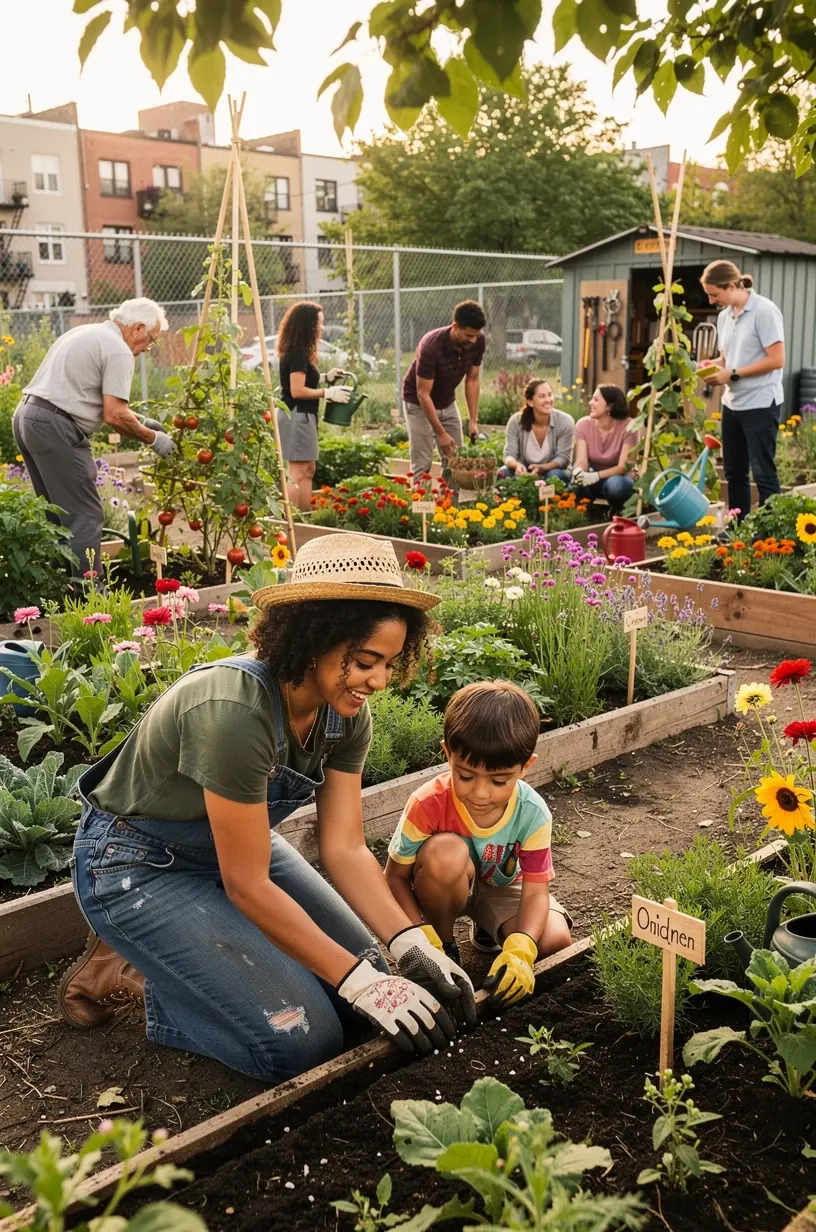
"Communities thrive when individuals come together to support a common cause, and volunteers are at the heart of this collaboration."
The Value of Volunteers
Volunteers contribute in various ways. Here are a few key points to consider:
- Cost Efficiency: Engaging volunteers can reduce operational costs. Studies show that events utilizing volunteers can save up to 30% on staffing expenditures.
- Community Connection: Volunteers often have deep ties to their communities, which can enhance relationships between attendees and the event itself. Experts recommend leveraging local volunteers to foster a sense of ownership and pride in events.
- Skill Development: Volunteering provides individuals with opportunities to develop new skills and gain experience. This is especially beneficial for young people or those looking to transition into new careers.
Challenges and Considerations
While the benefits are clear, organizing volunteer efforts does require careful planning. Here are some limitations to acknowledge:
- Time Commitment: Coordinating volunteers typically takes 2-4 weeks of dedicated effort. This includes recruiting, training, and managing volunteers during the event.
- Training Needs: Volunteers may require specific training to perform their roles effectively, which can involve a learning curve.
- Reliability: While many volunteers are dedicated, there is always a risk of no-shows, which can impact event success. Setting clear expectations and maintaining open communication can help mitigate this issue.
Best Practices for Engaging Volunteers
To maximize the impact of volunteers, consider the following best practices:
- Clear Communication: Clearly outline roles and responsibilities. This works best when potential volunteers understand what is expected of them.
- Provide Support: Ensure volunteers have access to resources and support. This may involve training sessions or providing materials needed for their tasks.
- Recognize Contributions: Acknowledging volunteer efforts can enhance satisfaction and promote future involvement. Simple acts of recognition, such as thank-you notes or appreciation events, can go a long way.
Conclusion
Volunteers are integral to the success of community-based events. By embracing their contributions and addressing the challenges associated with managing volunteers, organizations can enhance their events' overall effectiveness. While engaging volunteers requires time and strategic planning, the potential benefits—ranging from cost savings to community engagement—often make it a worthwhile investment.