Exploring the History of Community Entertainment Venues
Community entertainment venues have played a vital role in shaping local cultures and providing spaces for social gatherings. This article delves into the history of these venues in the United States, examining their evolution and significance in today's society.
The Origins of Community Venues
The history of community entertainment venues can be traced back to town halls and public squares in the early days of American settlement. Typically, these spaces were used for public meetings, celebrations, and performances. According to historical research, these venues fostered community spirit by bringing people together for shared experiences.

Evolution Through the Ages
As communities grew, so did the complexity of their entertainment venues. The late 19th century saw the rise of theaters and opera houses, which became central to community entertainment. Experts in cultural history note that these locations often reflected the aspirations and challenges of the communities they served.
"Community venues have always been mirrors of our society, reflecting both our struggles and our celebrations." - Cultural Historian, Dr. Jane Doe
Types of Community Entertainment Venues
Today, community entertainment venues come in various forms, including:
- Theaters: These are dedicated spaces for live performances and screenings, often becoming cultural hubs.
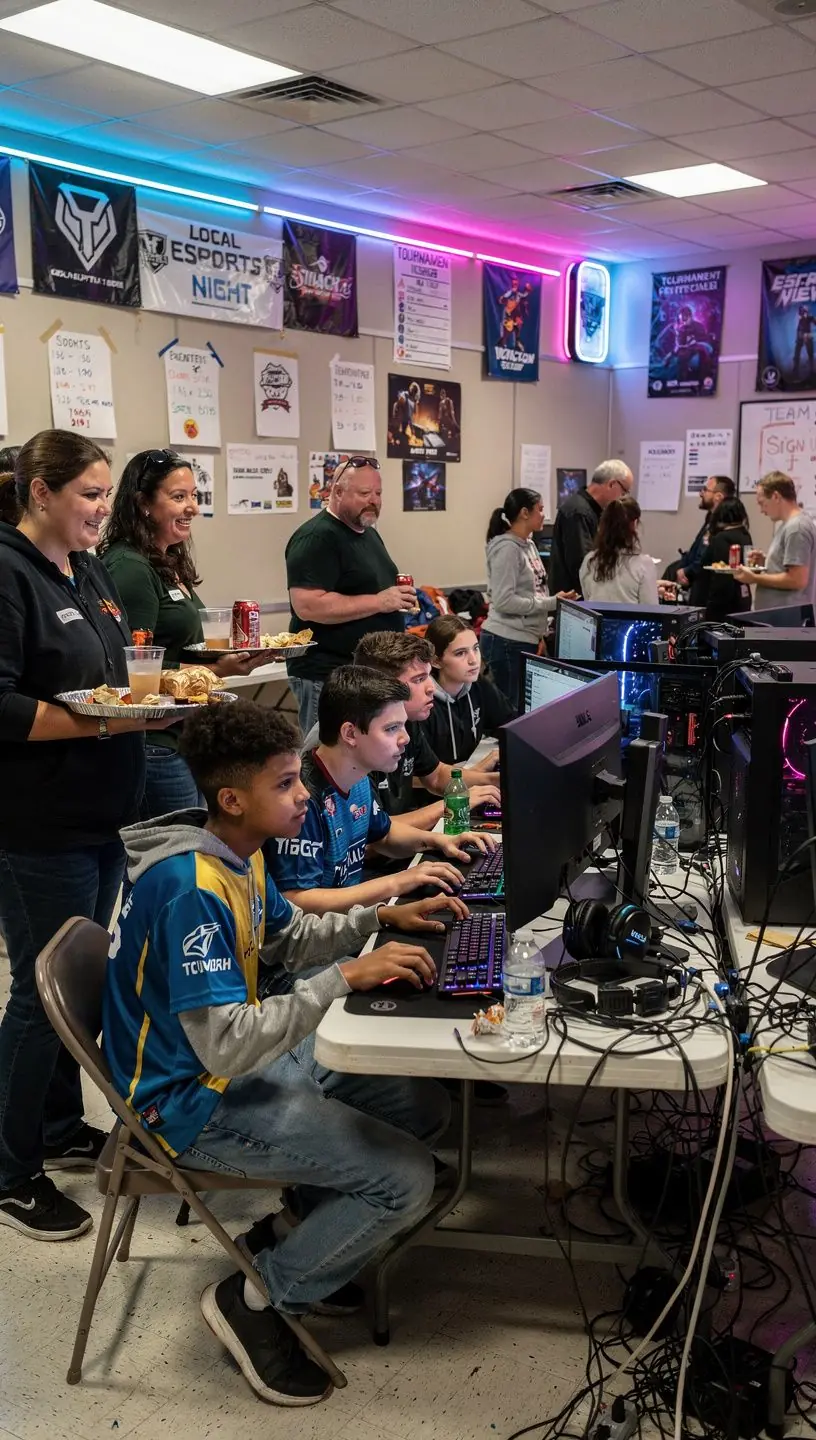
- Community Centers: Typically offering a range of activities, from classes to events that foster local engagement.
- Parks and Outdoor Spaces: Frequently utilized for festivals and concerts, emphasizing community-wide participation.
The Impact on Local Culture
Research indicates that community entertainment venues play a crucial role in enhancing social cohesion. They provide safe spaces for individuals to connect and build relationships. In most cases, venues that host local artists and performers help to promote cultural identity and pride.
Challenges Faced by Community Venues
While community venues are vital, they often face challenges such as:
- Funding: Many venues rely on donations and grants, which can be uncertain and limited.
- Maintenance: The upkeep of these facilities requires ongoing community effort and resources.
- Changing Interests: As entertainment preferences evolve, venues must adapt to meet the expectations of their communities.
Conclusion
In conclusion, the history of community entertainment venues in the United States is rich and varied. From their origins as simple gathering places to the multifaceted facilities we see today, these venues continue to be central to fostering community ties. Acknowledging their importance encourages support and preservation, which in turn nurtures the cultural fabric of our society. By valuing and investing in these spaces, communities can ensure that they remain vibrant and dynamic for future generations.