The Impact of Social Media on Community Events
In recent years, social media has transformed the landscape of community events. From facilitating connections to enhancing participation, its role is increasingly significant. This article explores how social media affects community gatherings, the benefits it brings, and the considerations that organizers must keep in mind.
Understanding the Basics
Social media platforms such as Facebook, Instagram, and Twitter have become essential tools for promoting community events. According to a study conducted by the Pew Research Center, approximately 69% of adults in the U.S. use social media, making it a prime avenue for outreach. This wide reach allows event organizers to connect with a larger audience than traditional methods, such as flyers or local news, could offer. Community leaders often report that using social media can significantly enhance event attendance.
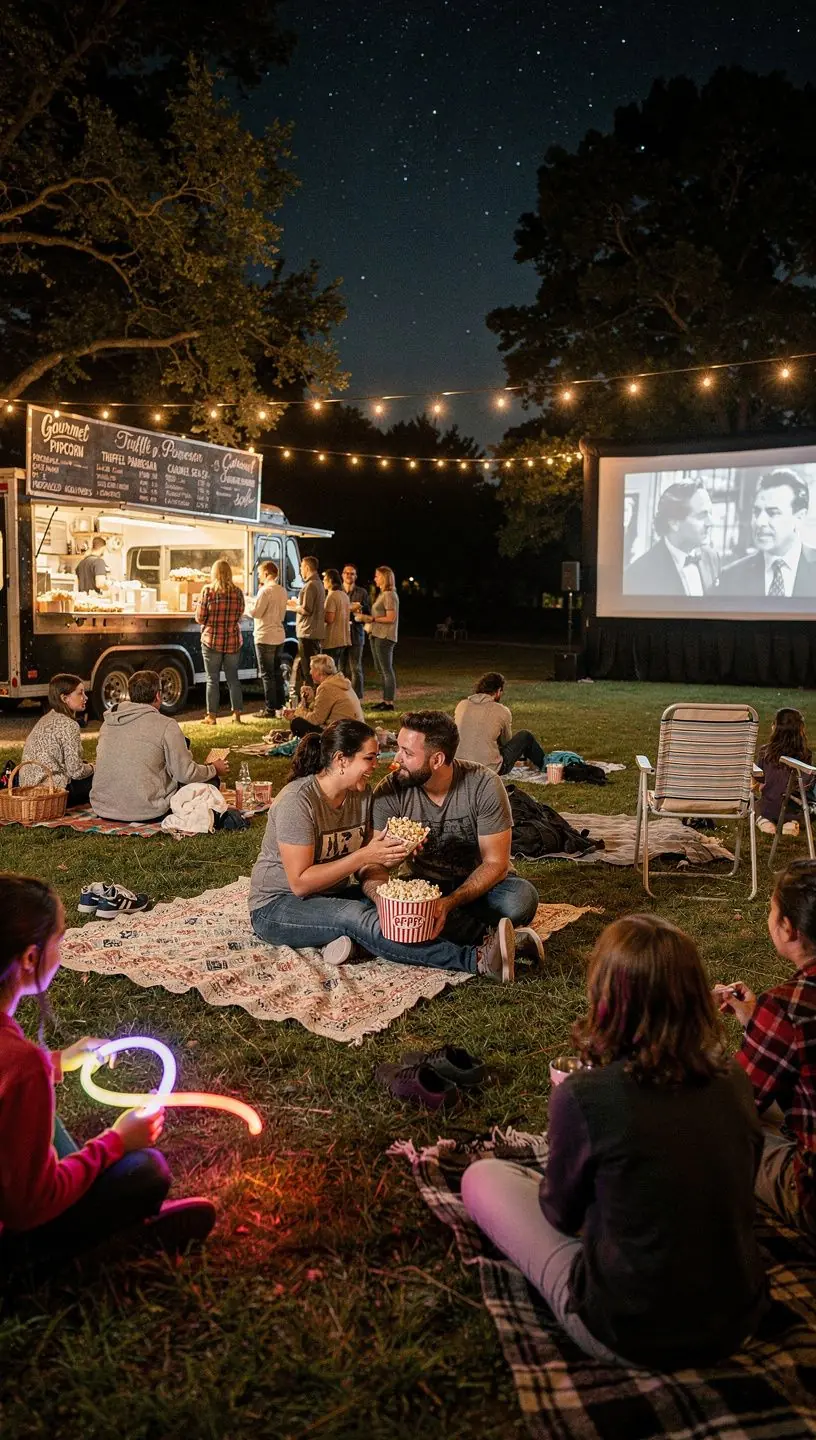
"Social media serves as a powerful amplifier for local events, connecting communities in ways that were previously unimaginable."
Benefits of Social Media for Community Events
Utilizing social media for community events comes with several advantages:
- Increased Visibility: Events can reach a broader audience through shares and comments, often resulting in higher attendance.
- Real-Time Engagement: Organizers can interact with potential attendees, answering questions and providing updates, which fosters a sense of community.
- Cost-Effectiveness: Promoting events on social media typically incurs lower costs compared to traditional advertising methods, making it accessible for various budget sizes.
Challenges and Considerations
While social media offers numerous benefits, it is also essential to be aware of its limitations:
- Time Commitment: Effectively managing social media accounts requires a consistent effort. This can involve daily posting and interaction, which might be time-consuming for smaller organizations.
- Audience Engagement: Not all posts will lead to engagement, and many users may scroll past content without interaction. Therefore, it is crucial to create engaging and relevant posts that resonate with the audience.
- Privacy Concerns: Organizers must be mindful of privacy issues, especially when sharing photos or information about attendees. Ensuring that participants consent to any shared content is vital.
Best Practices for Utilizing Social Media
To maximize the impact of social media on community events, consider the following best practices:
- Plan Ahead: Develop a social media strategy that outlines key messages, platforms, and timelines for posting.
- Use Visuals: Posts that include images or videos typically see higher engagement rates; therefore, incorporating visuals can be effective.
- Encourage Sharing: Create shareable content by using hashtags or calls-to-action that encourage attendees to promote the event within their networks.
Conclusion
Social media can significantly enhance community events by increasing visibility and engagement; however, it also requires a dedicated effort to manage effectively. By understanding the benefits and challenges, and applying best practices, organizers can harness the power of social media to create successful gatherings that enrich their communities. As with any strategy, results may vary, but many users have reported positive outcomes when social media is used thoughtfully and intentionally.
Discover More