Analyzing Trends in Community Entertainment Preferences
In today's fast-paced environment, understanding community entertainment preferences is crucial for fostering engagement and participation. This article will explore the current trends in entertainment and hobby-based gatherings across the US, offering insights backed by research and expert opinions.
Understanding Community Engagement in Entertainment
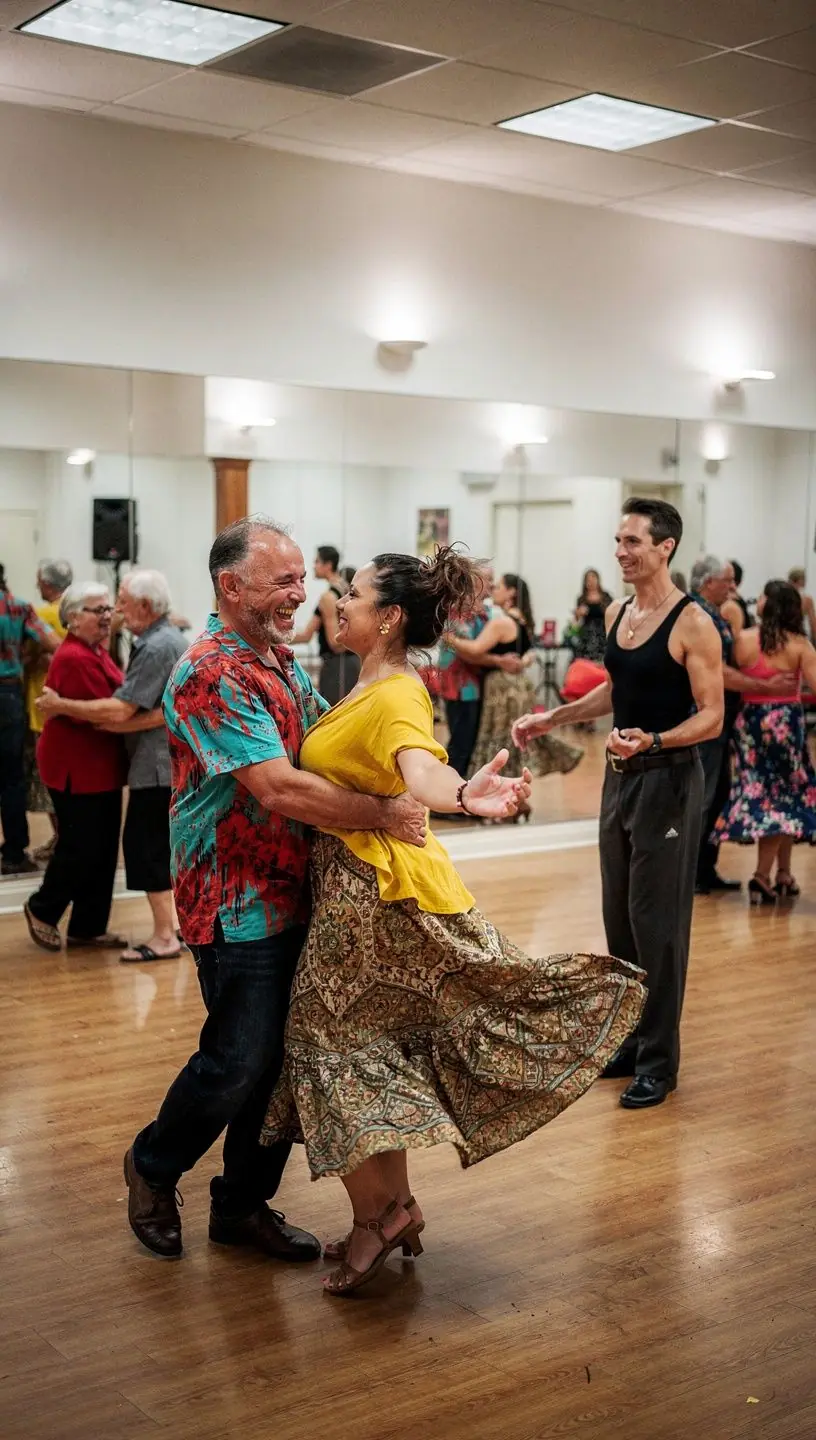
Community entertainment often reflects the cultural landscape and social dynamics of a region. According to a report by the National Endowment for the Arts, attendance at arts events is closely linked to community involvement, suggesting that culturally relevant programming can significantly enhance local participation rates.
"Community events serve not only as entertainment but also as a platform for social interaction and cultural exchange, which is vital for community cohesion." - Arts Council Report
Current Trends in Entertainment Preferences
As we analyze the trends shaping community entertainment, several key preferences emerge:
- Outdoor Activities: Many users report a growing interest in outdoor events such as music festivals, farmers' markets, and open-air movie nights. These events are typically more accessible and promote a sense of community.
- Virtual Gatherings: The pandemic accelerated the adoption of online events, with studies showing that virtual gatherings often provide flexibility and inclusivity, appealing to a broader audience.
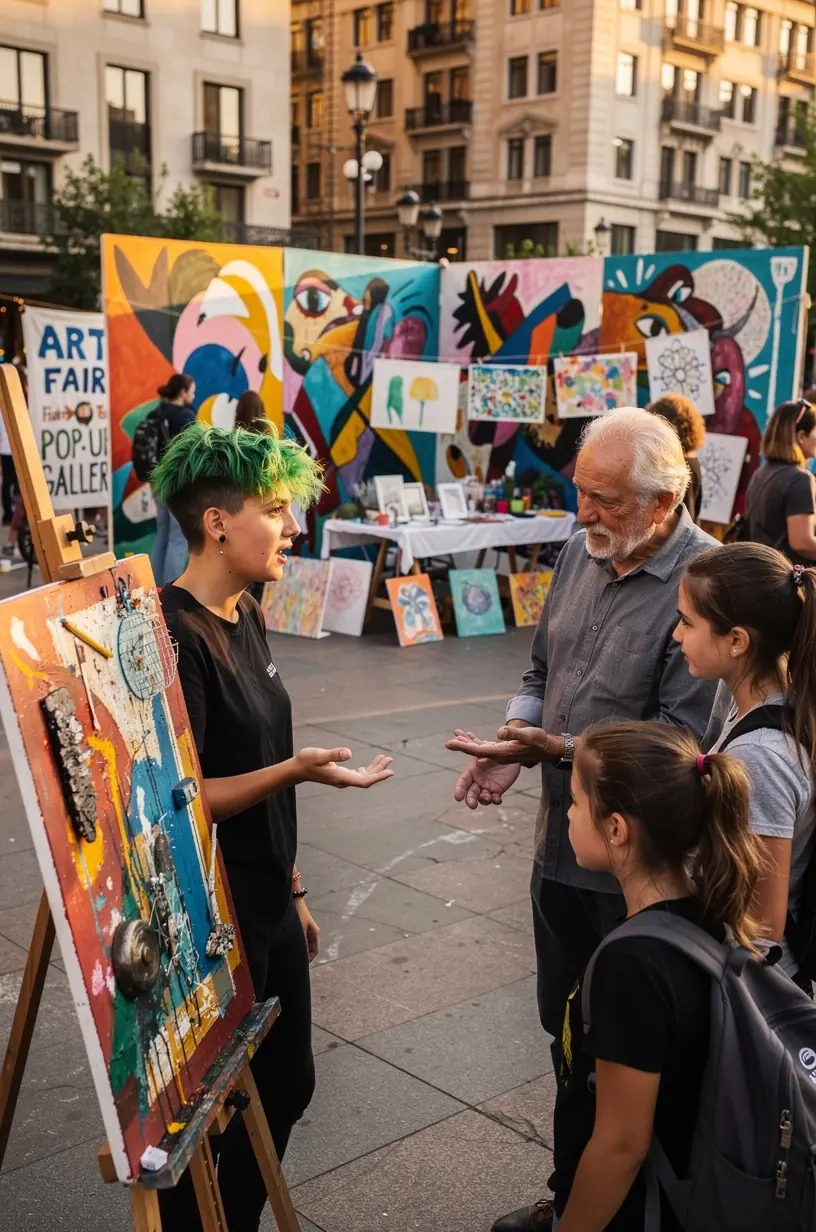
- Local Arts and Crafts: There is a notable resurgence in interest in local arts, including craft fairs and art exhibitions, which highlight regional talent and promote local economies.
Why These Trends Matter
Understanding these trends is essential for community organizers and local businesses. Engaging with residents about their entertainment preferences can help tailor events that foster participation. Experts recommend using surveys and community feedback to guide programming decisions.
Challenges and Considerations
While these trends present opportunities, they also come with challenges:
- Many communities face budget constraints that can limit the scale and scope of entertainment programming.
- There is often a learning curve for organizations looking to transition from traditional to hybrid or fully virtual events.
- Involvement in community events can require significant time and effort, meaning organizers must consider the commitment levels of potential participants.
Conclusion
In summary, analyzing community entertainment preferences reveals significant insights that can inform future programming. By prioritizing local interests and considering the unique challenges of community engagement, organizers can create meaningful and enjoyable experiences. Remember, successful community events are not just about entertainment; they also serve as a vital link to cultural identity and social unity.